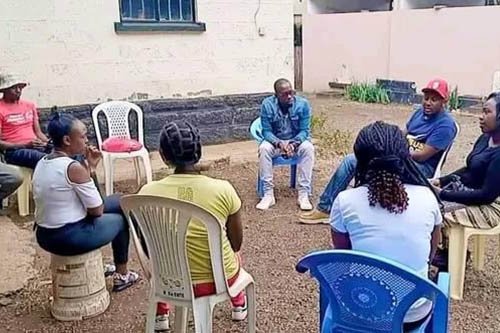
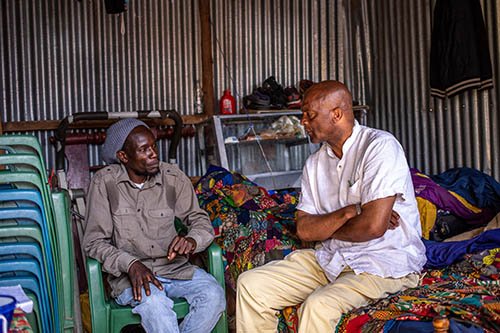
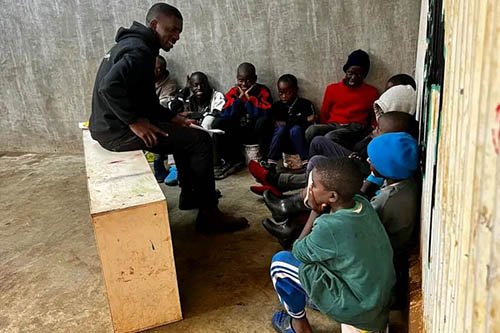
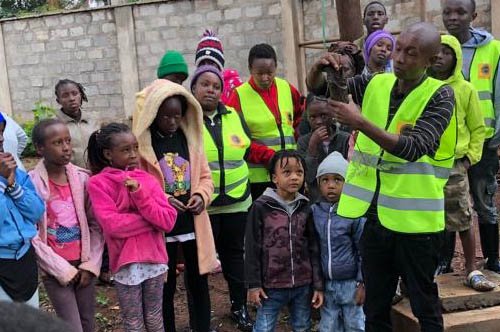
Badilika Uishi staff come to their work with years of lived experience and a willingness to share what they’ve learned to comfort and lift up others in similar situations. Counseling efforts include:
Help for those who want to stop using drugs
Peer support focused on safety and well-being
Grief counseling for those who have lost loved ones to drugs or crime
Counseling for children whose parents are drug users or sex workers
Connections to Health
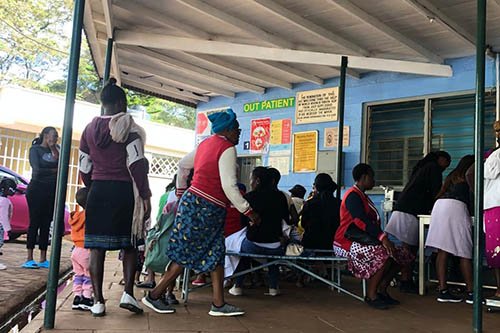
Badilika Uishi’s staff are reliable escorts, trusted liaisons, and even a provisional ambulance service. They are called in to make sure community members are able to get to clinics, doctors, hospitals, and pharmacies. For example:
A doctor call staff to make sure their drug-using patients don’t forget to come in for their HIV medication
A drug user is embarrassed to go to the clinic alone to get his skin infection treated
A community member needs to get to the hospital after an act of violence
Community Education
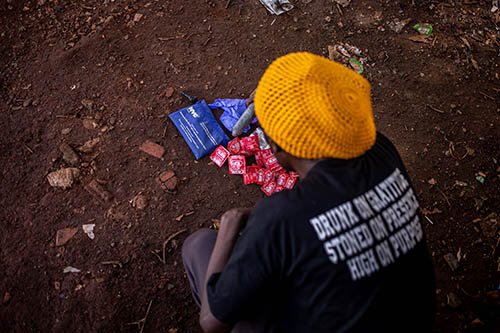
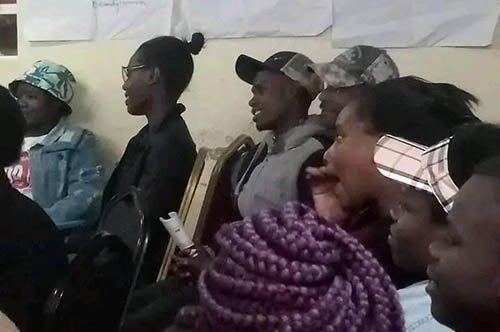
Staff provide workshops to make sure community members have critical health information to protect their well-being and to encourage healthy behavior. Educational sessions are provided anywhere people gather: conferences, schools, or drug dens and garbage dumps where substance users and sex workers may be living. Frequent topics include:
How to use Narcan to prevent an overdose death
Condom usage
Drug use prevention for teens
Safety and self-care for sex workers
Supporting Basic Needs
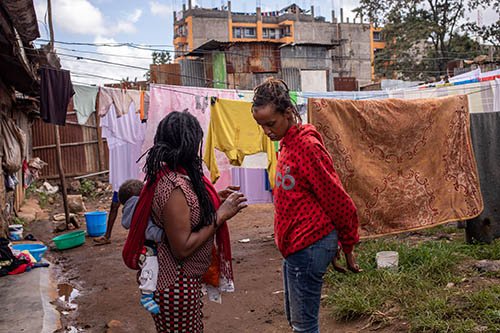
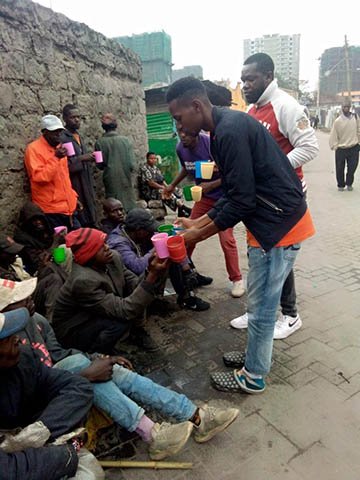
Until two years ago, Badilika Uishi had a physical center where community members could get free food, use running water to wash themselves or their clothes, and a safe place to share their troubles. After Badilika Uishi lost the center to land developers, staff members have pivoted towards a case management and outreach model, bringing resources to drug users whenever possible. Recently, staff have identified a new potential site with a willing landlord and are trying to raise money to re-establish a physical location.
In addition to food and hygiene, Badilika Uishi tries to address other basic needs, including food, housing, and education. Current services include:
School fees paid for some of the children of Badilika Uishi participants
Distribution of food donations to vulnerable families
Connecting participants to jobs
Short-term housing for people working on abstinence-based recovery
Community Participation
Too often, people view drug users and sex workers as “throw-aways”, people who are more likely to drain energy from a community than to contribute. Badilika Uishi upends that expectation by getting participants involved in community projects as a way to re-establish their reputations as valued members of society. Some recent examples include:
Weekly collection of used syringes, taken away for incineration
Volunteering during floods, fires, and other emergencies
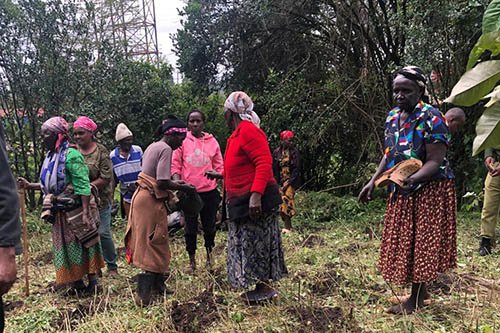
Tree planting to beautify the community and combat the effects of climate change
Hosting a soccer tournament to raise funds for a community water tank